
Floors That Hold Up to Foot Traffic
Flooring Installation in Vancouver for scratched hardwood, worn laminate, and water-damaged subfloors
Hardwood floors with finish worn through to bare wood in doorways, laminate planks that buckle near exterior doors where rain tracks in, and vinyl that's curling at seams all point to materials that have reached the end of their functional life or were installed over subfloors that weren't properly prepared. The Pacific Northwest climate in Vancouver means that moisture management during installation affects long-term performance, since humidity swings cause wood and wood-based materials to expand and contract. PG General Construction LLC handles flooring installation by verifying subfloor flatness within industry tolerances and allowing materials to acclimate in the space before installation so that planks don't gap or buckle after they're down.
Floor removal exposes the subfloor condition, and any sections with water staining or soft spots get replaced before new material goes down, since compromised subfloor telegraphs through finished flooring as squeaks or dips. Luxury vinyl plank installs as a floating floor with click-lock edges that allow the entire floor to move as a unit over the subfloor, while hardwood flooring gets nailed or stapled to wood subfloors with fasteners at specific intervals and angles to prevent squeaking and separation.
Arrange an on-site consultation to review your subfloor condition and discuss material options that suit your traffic patterns and moisture exposure.
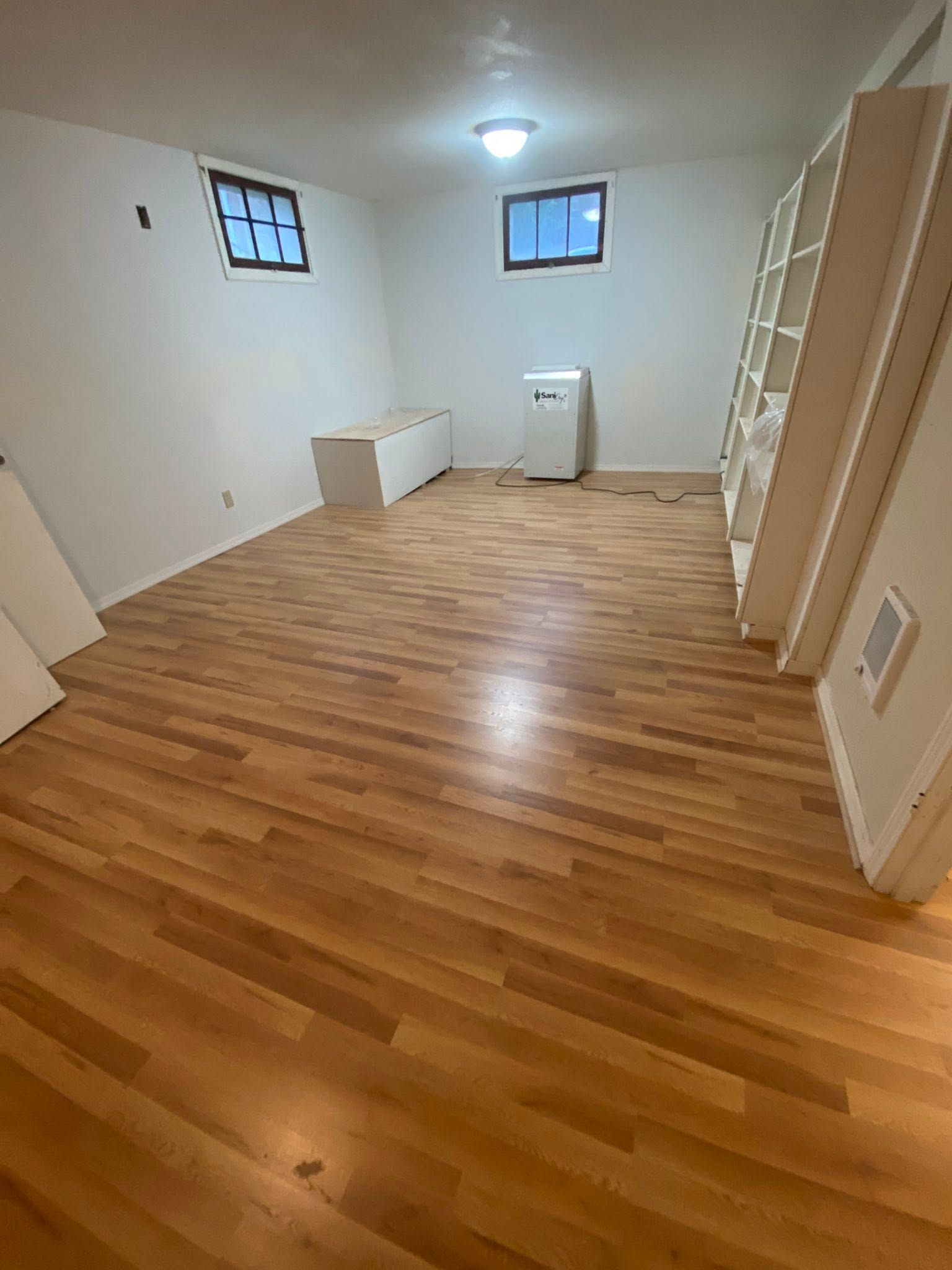
What You Notice Once New Flooring Is Finished
Proper floor preparation includes checking that the subfloor is flat within an eighth of an inch over ten feet, since dips or humps in the substrate cause planks to rock underfoot or create gaps at the seams where edges don't meet tightly. Tile flooring installations require cement backer board or uncoupling membranes over wood subfloors to prevent cracking from substrate movement, and grout lines get sealed after curing to resist staining and moisture penetration. Residential and commercial flooring projects differ mainly in material durability ratings and subfloor reinforcement, since commercial spaces see heavier traffic loads and need products rated for that use.
After installation, you'll walk across floors that don't flex or squeak, with seams that are tight and uniform across the room and transitions to adjacent rooms that sit flush without tripping edges. Laminate flooring now resists scratches from chair legs and pet claws better than old vinyl, and luxury vinyl plank provides cushioning underfoot while looking like hardwood or tile without the maintenance those materials require. Hardwood finishes protect the wood surface from water spills if wiped quickly, though standing water still damages the planks if left overnight.
Flooring projects include removing old baseboards and reinstalling them after the floor goes in so that trim covers the expansion gap required around the room perimeter, and that gap allows floating floors to move without buckling. Material acclimation time varies by product, but skipping this step leads to gaps between planks in winter when heating systems dry out indoor air and materials shrink after they're already installed.
What Property Owners Usually Ask
Flooring decisions depend on where the material goes and what kind of use it will see, so understanding product differences prevents mismatched expectations.
What happens if the subfloor isn't level?
High spots get sanded down and low spots filled with leveling compound before flooring installation, since leaving the subfloor uneven causes floating floors to gap at seams and nailed floors to squeak where planks don't sit flat against the substrate.
How does luxury vinyl plank differ from laminate?
Luxury vinyl plank is fully waterproof and can handle wet areas like bathrooms and laundry rooms, while laminate has a wood fiberboard core that swells if water soaks into the seams, making it better for dry areas like bedrooms and living rooms.
When should flooring be installed during a renovation?
Flooring goes in after drywall work and painting are complete so that dust and spills don't damage the finished surface, but before final trim and fixtures so that baseboards and transition strips cover the floor edges cleanly.
What determines how long flooring lasts?
Material quality matters, but installation precision and subfloor preparation determine whether floors develop problems early, since products installed over uneven or damaged subfloors fail faster regardless of the material grade.
How do hardwood and tile compare for high-traffic areas?
Hardwood shows scratches and dents over time in heavy traffic zones and needs refinishing every decade or so, while tile resists surface damage but can crack if the subfloor flexes, and grout lines require periodic sealing to prevent staining in Vancouver where wet shoes track mud indoors.
PG General Construction LLC installs hardwood, luxury vinyl plank, laminate, and tile flooring for residential and commercial projects. Schedule a property evaluation to review your subfloor and discuss materials that fit your space and usage requirements.